
“Lighting in Hospitality: Setting the Tone for Experience”
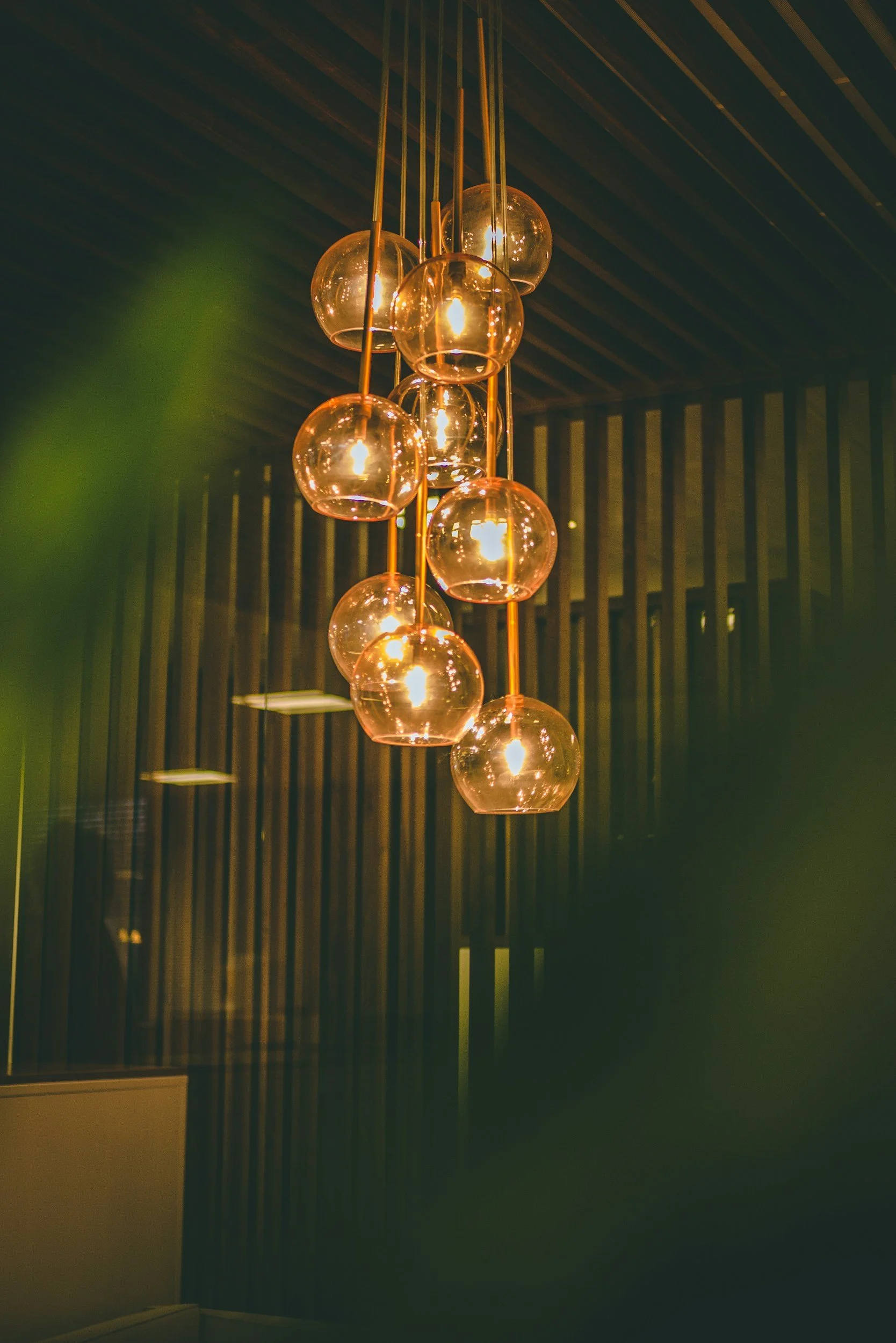
Lighting in hospitality is often treated as a finishing touch, something layered in after the design is complete. In reality, it should be one of the first decisions made. Because lighting doesn’t just illuminate a space, it defines how people feel within it.
Whether you’re running a restaurant, hotel, or event venue, the right lighting shapes mood, influences behavior, and quietly guides the guest experience from the moment they walk in.
Start with Intention, Not Fixtures
Before choosing bulbs, pendants, or dimmers, ask a more important question:
How should this space feel?
Warm and intimate?
Energetic and social?
Calm and restorative?
Lighting should align with that emotional goal. A high-energy bar with soft, dim lighting can feel sleepy. A fine dining space with harsh brightness can feel transactional instead of elevated.
When lighting is intentional, guests notice it.
Layering Light: The Foundation of Good Design
Great hospitality lighting rarely comes from a single source. It’s layered.
1. Ambient Lighting
This is your base layer, the general illumination of the space. It sets the overall tone and ensures visibility without overwhelming the room.
2. Task Lighting
Functional lighting that supports specific activities: reading menus, preparing food, checking in at a front desk. It should be clear and focused, but never harsh.
3. Accent Lighting
This is where personality comes in. Highlighting architectural features, artwork, or design elements creates depth and visual interest.
4. Decorative Lighting
Fixtures that act as design statements, pendants, chandeliers, sconces. These contribute as much to the identity of the space as the light they produce.
When these layers work together, the space feels balanced, intentional, and alive.
Brightness Matters More Than You Think
Too bright, and guests feel exposed. Too dim, and they feel disconnected.
A few practical considerations:
Day vs. night transitions: Lighting should evolve as the day progresses.
Table lighting: Guests should be able to see their food clearly, but still feel relaxed.
Bar areas: Slightly brighter to encourage energy and interaction.
Restrooms and entryways: Clean, clear, and well-lit—these areas shape first and lasting impressions.
Dimmers are not optional, they’re essential.
Lighting as a Tool for Flow
Lighting can subtly guide movement without signage.
Brighter pathways naturally draw people forward
Dimmer corners create intimacy and retreat
Highlighted areas signal importance (host stand, bar, featured seating)
When done well, guests intuitively know where to go, and how to behave, without being told.
Lighting Is Experience Design
In hospitality, every detail either supports or detracts from the experience. Lighting is one of the few elements that touches every moment, arrival, dining, conversation, departure.
When chosen thoughtfully, it creates comfort without distraction, energy without chaos, and atmosphere without effort.
It’s not just about seeing the space.
It’s about feeling something when you’re in it.
