“From Mash to Magic: My First Bourbon Experience”
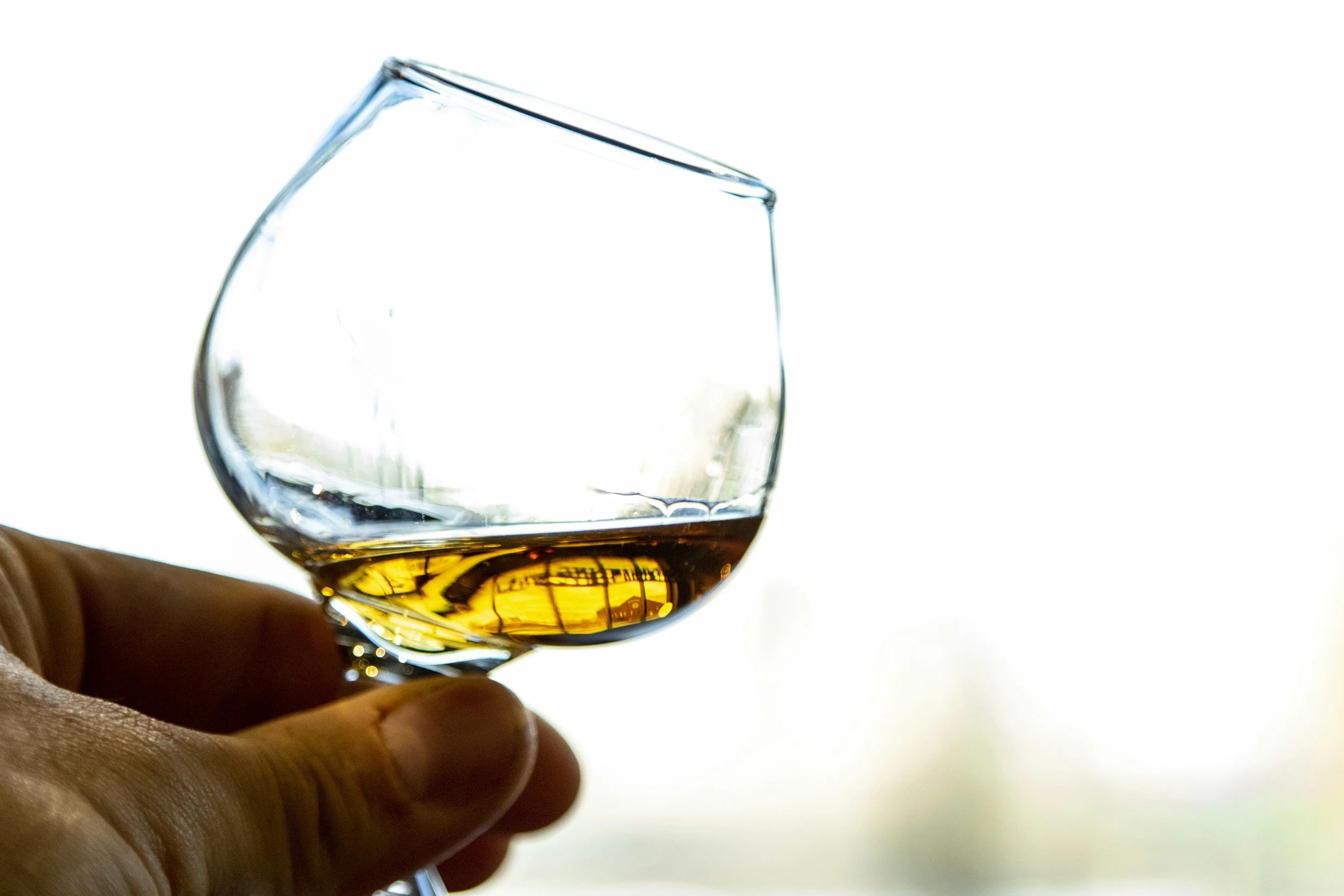
I sat on a creaky wooden barstool in a dimly lit tavern, staring down into a glass of amber liquid. The thought of that first sip tied my stomach in knots. I had come to Louisville curious and eager to understand what made Bourbon so revered.
I closed my eyes, took a slow breath, lifted the glass, and anticipated the flavor as the aroma burned my nostrils before finally pressing my lips to the rim of the glass.
Did I enjoy it?
Not one bit.
My senses were utterly overwhelmed. That first sip felt like swallowing a mix of gasoline and hairspray. The server encouraged me to “find the notes”, vanilla, caramel, maybe a hint of spice. But all I could taste was fiery, harsh alcohol. Nothing smooth, and definitely no caramel.
In a way I felt defeated. I wanted so badly to appreciate bourbon, to taste the history in the glass and connect with the craft that shaped this city. That first sip offered none of it. Yet I left the tavern that day with a mix of frustration, curiosity, and determination to find those elusive “notes” before I left Louisville.
Stepping onto the cobblestone streets of Louisville only deepened that curiosity. The streets are lined with buildings carrying layers of time, echoes of frontier traders, river merchants, distillers, horse breeders, musicians, and storytellers who all left their mark on the city.
It made me wonder:
What is the deeper story behind bourbon?
How did that story shape the craft, the experience, and the layers of flavor waiting in the glass?
And perhaps more importantly, how did bourbon shape what Kentucky is today, an economy rooted in agriculture, river trade, and natural resources, with bourbon at the very heart of it all?
To understand bourbon, I realized I first had to understand Kentucky itself: the land, the resources, and the limestone water that helped define the spirit.
What Makes Kentucky Bourbon Unique
While I am no expert, a few key elements quickly stood out.
Agriculture
Corn provides the sweet base of bourbon. (though that sweetness may not be obvious on your first sip) . By law, bourbon must contain at least 51% corn in its mash bill.
Other grains such as rye, wheat, and malted barley are added to shape the flavor profile and assist with fermentation.
Kentucky’s fertile soil makes it ideal for growing these grains, supporting thousands of acres of farming and an entire supply chain of agriculture, trucking, milling, and manufacturing. In many ways, the grains grown across Kentucky’s fields do more than produce a spirit in a bottle, they sustain rural communities and a statewide agricultural economy.
Even the leftover mash returns to farms as high-protein livestock feed, creating a circular system that connects distilleries directly back to the land.
Limestone Water
Kentucky’s waterways, particularly near the Ohio River, helped establish major trade routes that strengthened the state’s economy. But the region’s most important natural feature for bourbon may be something less visible, its limestone filtered water.
As water passes through limestone rock, iron is naturally removed. This matters because iron can create off flavors during fermentation. The result is clean, mineral rich water that helps produce a smoother spirit and provides distillers with a stable foundation for every batch.
Forests and Oak Barrels
Kentucky’s forests also play a crucial role. Bourbon must legally be aged in new charred American white oak barrels, and the wood itself becomes an essential ingredient in the final flavor.
The barrels are crafted by skilled artisans known as coopers, who shape and char each barrel by hand. Over time, the whiskey interacts with the wood, drawing out color and complex notes like vanilla, caramel, and spice.
Together, the forests and the craftsmanship behind these barrels form a vital part of bourbon production and Kentucky’s manufacturing economy.
Climate
Kentucky’s four distinct seasons also influence the flavor of bourbon.
During hot summer months, the whiskey expands deep into the charred oak barrels. As temperatures cool, the liquid contracts, pulling rich flavors back into the spirit. Over years of aging, this natural expansion and contraction helps develop the deep caramelized flavors and layered complexity that bourbon is known for.
Though I wasn’t able to make it along the full “Bourbon Trail” during my trip, I did visit Evan Williams Distillery, one of Kentucky’s earliest commercial bourbon operations, established in the 1800s. Evan Williams, a true pioneer in the industry, is credited with laying much of the groundwork that helped shape the success of bourbon in Kentucky.
At the distillery, I gained not just a sense of history, but also a deeper appreciation for the complexities of bourbon production and the impact this industry has had on the state. I learned how generations of skill, labor, and craftsmanship come together to create every bottle.
Here’s a simplified look at the bourbon making process:
Mash the Grains: Corn, rye, wheat, and malted barley are ground and mixed with water to create a mash. Corn provides sweetness, rye or wheat adds character, and malted barley helps the fermentation process along.
Fermentation: Yeast is added, converting sugars into alcohol and forming the foundation of flavor. The naturally mineral-rich, iron-free limestone water of Kentucky plays a crucial role in creating a smooth, consistent fermentation.
Distillation: The liquid is heated in a still to separate alcohol from water and solids, producing a concentrated spirit.
Aging in New Charred Oak Barrels: The spirit is poured into new, charred oak barrels. Over months and years, it interacts with the wood, gaining color, sweetness, and deep flavors. Seasonal temperature changes expand and contract the wood, drawing out vanilla, caramel, and spice.
Bottling: After aging, the bourbon is filtered, proofed with water if needed, and bottled. Every sip reflects the combination of grains, water, wood, and time, the essence of Kentucky itself.
Visiting Evan Williams made it clear that bourbon is not just a drink, it’s the product of history, craft, and a deep connection to the land and people of Kentucky. Though there still are so many more complexities to understand, I moved onto the tasting later that day with a greater sense of respect and appreciation for what I now understood to be contained in a single sip of Bourbon.
At the end of the distillery tour and sitting down for another tasting, we were given a flight of three different bourbon’s to taste. With guidance from the person leading the tasting, we observed the color of each particular bourbon, some deep amber, others lighter. We noticed the smell, or “nose”, containing different aromas I could not identify, and finally the taste. This time in that taste I was able to slow down my thinking, and after the sharpness and warmth of that initial sip was able to identify through the lingering taste, the notes, the texture and the smoothness that made each bourbon so unique.
Though I did not leave Kentucky a bourbon connoisseur and truthfully, I may never be the person who sits beside a crackling fire discussing the finer points of wine, scotch, or bourbon, I did leave Louisville differently than when I arrived. I left with a deeper respect for that fiery amber liquid in the glass, and for the generations of craft, patience, and hard work that brings it to life. What once tasted harsh and unfamiliar had become something more meaningful: a symbol of the land, the people, and the history that shaped it.